Septic Tank Pumping & Cleaning in East Texas
Protect Your Septic System with Routine Pumping
Your septic system works hard every day to handle the wastewater from your home. Over time, solid waste and sludge naturally build up inside your septic tank. If the tank is not pumped when needed, that buildup can cause problems that may affect the entire septic system. At Jeff’s Septic Service, we provide professional septic tank pumping and cleaning to help homeowners keep their systems operating properly. Whether you have a conventional septic system or an aerobic system, routine maintenance is an important part of protecting your investment.
Don't wait until there's a problem! Keeping up with septic tank pumping can help prevent costly repairs, backups, unpleasant odors, and premature system failure.
Why Is Pumping Your Septic Tank Important?
As wastewater enters your septic tank, heavier solids settle to the bottom and form a layer of sludge. Grease and lighter materials float to the top and form a layer of scum. The liquid wastewater flows out of the tank while these solids remain behind.
Over time, the sludge and scum layers build up. If they are not removed, solids can move into the next part of your system and contribute to clogged pipes, damaged components, or drain field problems.
Routine pumping helps:
- Prevent backups: Excessive solids can contribute to wastewater backing up into your home
- Protect your drain field: Keeping solids in the tank helps reduce the risk of solids entering and clogging the drain field
- Reduce odors: An overloaded or poorly maintained tank can contribute to unpleasant septic odors
- Extend system life: Proper maintenance helps protect the components of your septic system
- Avoid expensive repairs: Routine pumping can help prevent problems that may require costly repairs or replacement
How Often Should You Pump Your Septic Tank?
There is no one-size-fits-all schedule. Pumping Pumping frequency depends on several factor:
- The number of people living in the home
- The size of the septic tank
- Household water usage
- The amount of wastewater entering the system
- The amount of sludge and scum buildup
Many households need pumping every 3–5 years, but some systems may need service more frequently. The best way to determine when your tank needs pumping is through regular inspections and monitoring of sludge and scum levels. Our recommendation: Don't rely on the calendar alone. Let the condition of your system help determine when pumping is needed.
What Happens During a Septic Pumping Service?
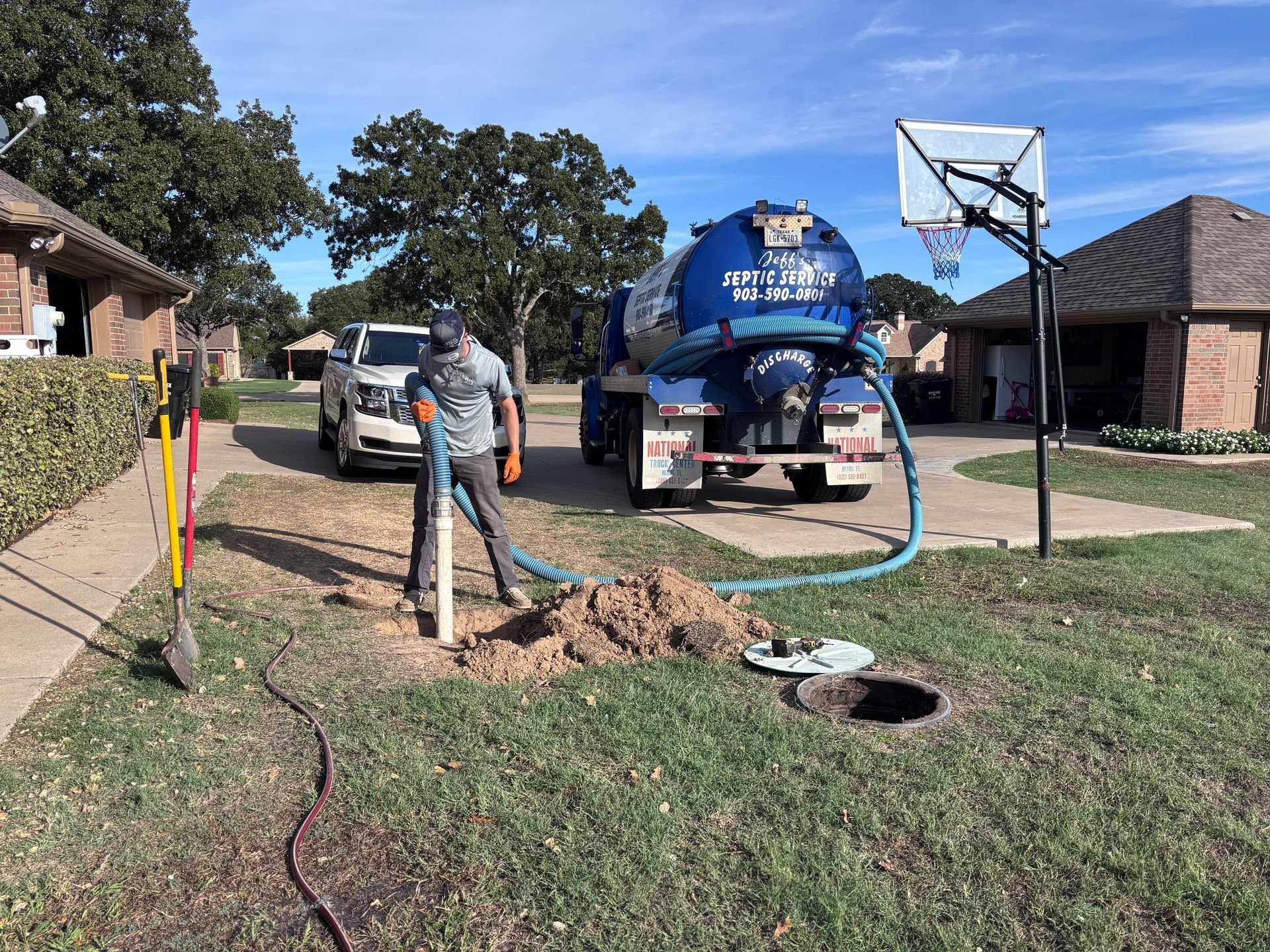
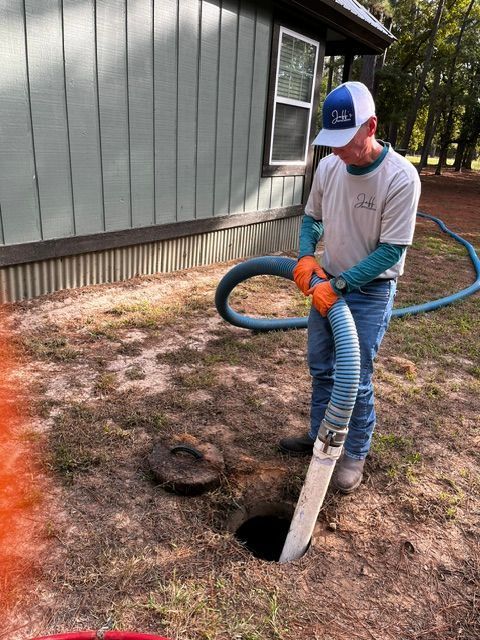
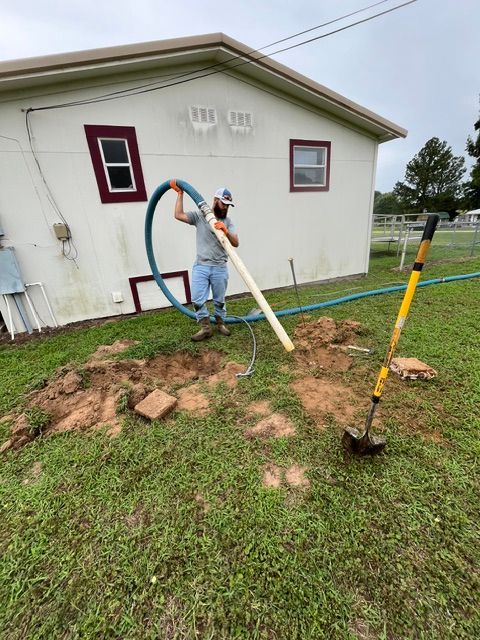
When our pumping crew arrives, we locate and access the septic tank, remove the accumulated solids and wastewater, and perform the pumping service. Our goal is to help you maintain your system and keep it working as it should. If we notice something that needs attention during the service, we can let you know and discuss the next steps.
How do I know if my septic tank needs to be pumped?
Common warning signs include slow drains, gurgling plumbing, sewage odors, wet areas around the drain field, or wastewater backing up into the home. However, a tank can need pumping even when no symptoms are present. Regular inspections can help determine when service is needed.
How often should I have my septic tank pumped?
Many households need pumping every 3–5 years. Your actual schedule depends on tank size, household size, water usage, and the amount of solids in the tank.
Does pumping my septic tank mean I won't have problems?
No. Pumping removes accumulated solids, but it does not repair damaged components or guarantee that the entire system is functioning properly. Regular inspections and maintenance are still important.
Should I use additives or treatments instead of pumping?
Septic additives are not a substitute for pumping. Solids still accumulate in the tank and may need to be removed.